 Merken
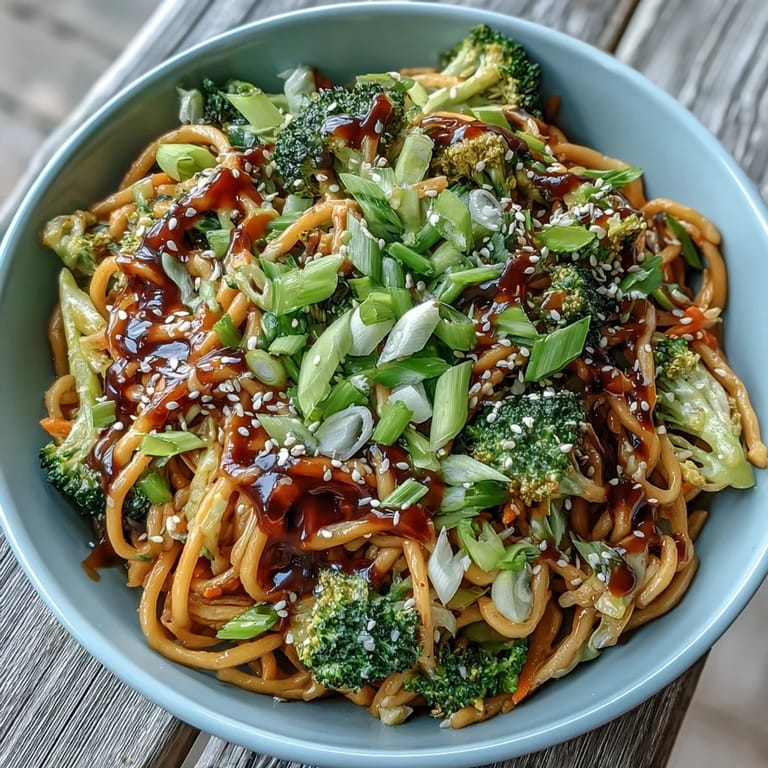
 There was this Tuesday when my coworker brought leftovers to the office and suddenly everyone was gathered around her desk, mesmerized by the aroma of sesame and soy wafting from her container. She caught me staring and laughed, then shared a bite of her teriyaki noodle bowl. That single forkful changed how I thought about weeknight dinners, proving that something made in 30 minutes could taste like it came from a proper restaurant kitchen.
I made this for my sister during a chaotic weeknight when she was staying over, skeptical that I could pull off something restaurant-quality in our tiny kitchen. Watching her eyes light up when she took that first bite, then immediately asking for seconds, was one of those small victories that made me feel like I'd actually mastered something.
Ingredients
- Egg noodles: These cook quickly and have a tender bite that holds the sauce beautifully, though you can swap them for wheat or rice noodles if you prefer something lighter.
- Broccoli florets: Keep them roughly the same size so they cook evenly, and honestly, the little charred bits that sometimes happen add unexpected depth.
- Carrots, julienned: The thin cuts mean they stay crisp rather than getting mushy, which is exactly what keeps this bowl feeling fresh and lively.
- Green onions: Slice them just before serving so they stay bright and sharp, cutting through the sweet richness of the sauce with a little punch.
- Soy sauce: The backbone of your teriyaki, it brings umami and saltiness that makes everything else sing together.
- Mirin: This sweet rice wine is what gives teriyaki its signature glossy finish, though dry sherry works in a pinch if you're caught without.
- Honey or maple syrup: Either works beautifully here, adding gentle sweetness that balances the salty soy without tasting cloying.
- Rice vinegar: A splash of this keeps the sauce from being one-note, adding brightness and a subtle tang that you might not notice but would definitely miss.
- Brown sugar: This dissolves into the sauce, adding a deeper molasses-like sweetness compared to white sugar.
- Sesame oil: Just two teaspoons is enough to give the whole bowl that toasty, nutty character that makes people ask what smells so good.
- Garlic and ginger: Fresh is worth the extra minute of mincing, as they bring warmth and spice that bottled versions struggle to match.
- Cornstarch slurry: This thickens the sauce so it clings instead of running off the noodles, turning it from liquid to something luxuriously glossy.
- Sesame seeds: Toast them yourself if you can, as the difference between toasted and raw is the difference between okay and genuinely craveable.
Tired of Takeout? 🥡
Get 10 meals you can make faster than delivery arrives. Seriously.
One email. No spam. Unsubscribe anytime.
Instructions
- Cook your noodles with purpose:
- Follow the package timing but taste them a minute early so you can catch that perfect tender-but-not-mushy moment. Rinsing them under cold water stops them from sticking and also cools them down so they're ready to absorb the sauce.
- Get the vegetables just right:
- The 2-3 minute steam or blanch is crucial because you want them to have a slight resistance when you bite down, not collapse like they've given up. This takes practice, so don't stress if your first attempt is softer than you wanted, you'll nail it next time.
- Build your sauce like you mean it:
- Combine all the wet and aromatics in a small saucepan and let them warm together for a minute or two so the garlic and ginger release their oils into the liquid. The gentle simmer matters more than high heat here, as you're bringing flavors into harmony rather than cooking them aggressively.
- Thicken with confidence:
- When you stir in that cornstarch slurry, you'll see the sauce transform almost instantly from thin to glossy and clingy. Keep stirring for the full 1-2 minutes because stopping too early means you'll end up with weird floury pockets instead of silky sauce.
- Marry everything together:
- Toss the noodles, vegetables, and sauce in your wok or skillet off the heat first, so you're not fighting against high temperature, then put it back on briefly just to warm everything through together. This gives you control and prevents the noodles from breaking up from aggressive stirring.
- Finish like you care:
- The sesame seeds and green onions aren't just garnish, they're the final flourish that brings brightness and texture. Sprinkle them generously right before serving so they stay crisp and assertive.
 Merken
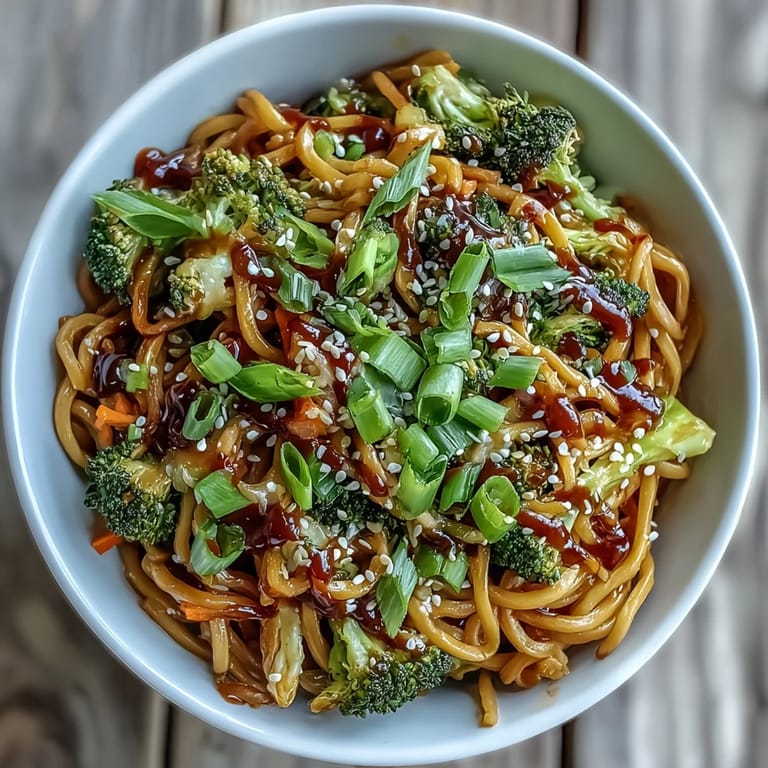
 One evening, a friend mentioned she'd never had a homemade teriyaki bowl before, so I made this without overthinking it. Watching her describe it as better than the takeout place she usually orders from felt like proof that sometimes the simplest foods, made with genuine care, become the ones people remember.
The Secret Behind Glossy Noodles
That restaurant-quality shine on your noodles isn't magic or special ingredients you're missing, it's actually just the combination of sesame oil and cornstarch creating a light coating that clings instead of sliding off. The sesame oil adds flavor richness while the thickened sauce acts like an edible varnish, which is why whisking your cornstarch slurry separately and stirring constantly prevents lumps that would otherwise ruin the texture.
Adapting This Bowl to What You Have
Once you understand the basic framework here, you realize it's endlessly flexible depending on what's in your kitchen or what you're craving. Snap peas instead of broccoli, red peppers instead of carrots, or even mushrooms for earthiness all work beautifully because the sauce is what ties everything together.
Making This Meal Feel Intentional
There's something about preparing a teriyaki bowl that feels more thoughtful than throwing together a quick dinner, even though you're not actually spending much extra time. Maybe it's because you're toasting seeds, mincing fresh ginger, or actually standing at the stove building layers of flavor instead of opening packages. The 30 minutes becomes an act of care for yourself or whoever you're feeding, which somehow makes the food taste better.
- Taste the sauce before adding it to the noodles so you know whether it needs more sweetness, saltiness, or acidity based on your actual ingredients.
- Cook for people who appreciate good food and you'll find yourself naturally elevating how you prepare it.
- Keep toasted sesame seeds in a small jar on your counter because once you start using them, you'll want them ready whenever inspiration strikes.
 Merken
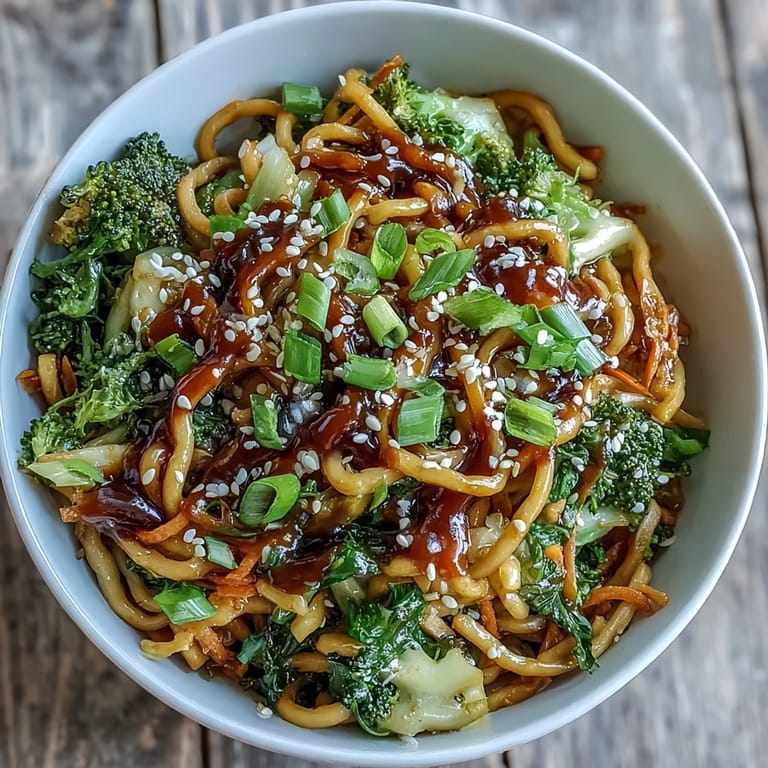
 This bowl has become my answer to that question of what to make when you want something delicious but don't want to spend your whole evening cooking. It's proof that simple and satisfying aren't mutually exclusive.
Fragen & Antworten zum Rezept
- → Kann ich diesen Gericht vegan zubereiten?
Ja, ersetzen Sie Ei-Nudeln mit Weizen- oder Reisnudeln und tauschen Sie den Honig gegen Ahornsirup aus.
- → Wie lange hält sich die Teriyakisauce?
Die selbstgemachte Sauce hält sich im Kühlschrank etwa eine Woche luftdicht verschlossen.
- → Welche Nudelsorten eignen sich am besten?
Ei-Nudeln, Udon-Nudeln oder Reisnudeln arbeiten hervorragend mit der Teriyakisauce zusammen.
- → Kann ich zusätzliches Protein hinzufügen?
Tofu, Tempeh oder gegrilltes Hähnchen passen perfekt und erhöhen den Proteingehalt.
- → Welche Getränke passen dazu?
Ein trockener Riesling oder leichter grüner Tee ergänzen die Aromen wunderbar.